
Our Philosophy
“There comes a point where we need to stop just pulling people out of the river. We need to go upstream and find out why they are falling in.”
— Desmond Tutu
How We Work
Listen. Learn. Evolve.
From the very beginning, Scott and Florence committed to something that sounds simple but is rarely practised: to keep listening, keep learning, and let what they hear change what they do.
One of their personal mottos captures it well: “History will keep repeating itself until we learn from it and change our path.” The Sam Project is not a fixed programme delivered the same way in every community. It is a living conversation — one that adapts based on the people Scott and Florence meet, the questions they are asked, and the realities they witness on the road.
What they have heard, consistently and across every part of Australia, has only deepened their conviction about what needs to change.
The Core Argument
We are treating people in the river. We need to go back upstream.
The mental health system in Australia is focused overwhelmingly on treatment — on responding to illness once it has taken hold. That response is important and necessary. Scott and Florence support the need for appropriate, well-resourced treatment for people who are unwell.
But treatment is not the whole answer. And right now, it is almost the only answer being funded, resourced, and talked about.
What is missing is an honest focus on causes. The Sam Project believes that a proper diagnosis should always include an understanding of what caused the illness — because without that understanding, treatment can only go so far. You cannot truly treat something you do not understand. And you cannot prevent something whose causes you have not identified.
"We can ignore reality, but we cannot ignore the consequences of ignoring reality."
— Ayn Rand
Every year, the Bureau of Statistics releases figures showing that mental illness and suicide rates have increased. Every year, the approach remains largely the same. That is not a system working. It is a system that has not yet asked the right question — not just how do we treat this? but why is this happening?
There is a further dimension to this. The same lifestyle factors that are central to preventing mental illness — real food, regular movement, good sleep, genuine connection — are also among the most effective interventions available to people who are already unwell. This is not opinion. The results are there. Clinical trials have demonstrated that dietary intervention alone can produce remission in people with major depression. Research consistently shows that regular movement matches antidepressant medication for mild to moderate depression — with none of the side effects. Sleep intervention produces measurable recovery. Yet these approaches are almost entirely absent from standard treatment plans. A person can move through the entire mental health system without anyone meaningfully discussing what they eat, how much they move, or how they sleep. That is not a failure of individual clinicians. It is a failure of the system they work within — and it is one of the things the Sam Project is determined to change.
Prevention
Prevention is not what most people think it is.
The word “prevention” is used often in the mental health space. But it is rarely used accurately.
PREVENTION — DEFINED
The action of stopping something from happening or arising.
Prevention is not early intervention. It is not helping someone who is already struggling to get help sooner. Those things are valuable — but they are responses to illness, not prevention of it. Prevention belongs to the well population. It is what you do before something goes wrong, to give yourself and the people you care about the best possible chance of staying healthy.
Almost nothing in the current system is actually prevention in this sense. The campaigns, the funding, the public conversation — almost all of it is directed at people who are already unwell, or at helping others recognise the signs. The question of what causes mental illness in the first place — and what individuals, families, and communities can do to reduce that risk — receives a fraction of the attention it deserves.
This is the gap the Sam Project exists to fill.
The Next Generation
To pass this reality on to the next generation unchanged is not acceptable.
The Sam Project is particularly focused on children, adolescents, and young adults — the generation currently growing up in an environment shaped by ultra-processed food, algorithmically driven technology, disrupted sleep, and declining face-to-face connection. These are not abstract concerns. They are the causes of a mental health crisis that is measurably worsening, year on year, in the youngest Australians.
Scott and Florence are committed to advocating for the changes needed — in public understanding, in clinical practice, in how prevention is defined and resourced, and in how the next generation is equipped to look after their own mental health. The knowledge exists. The evidence is there. It simply needs to reach the people who need it most.
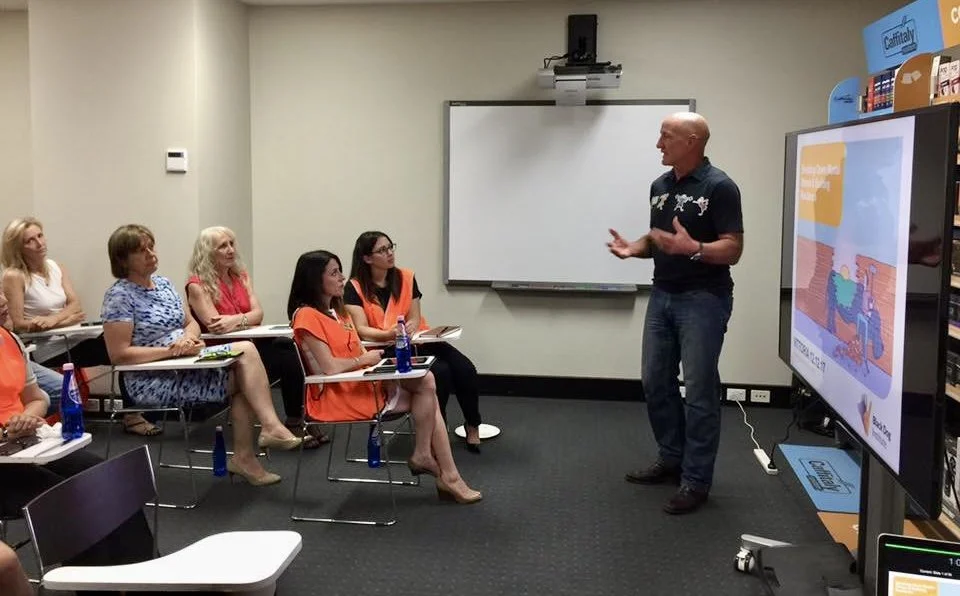
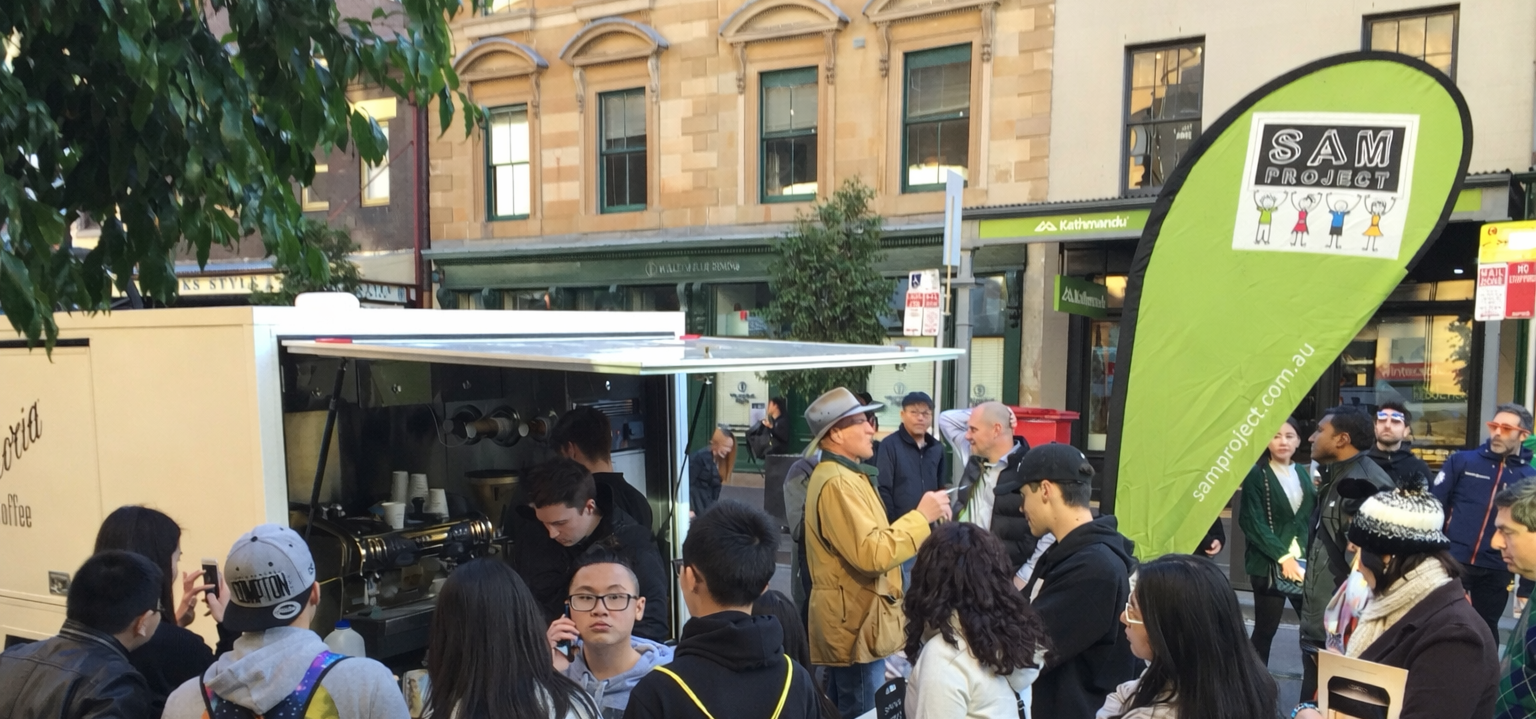
The Sam Project brings this thinking to communities across Australia — in plain language, in person, wherever people are. To learn more or get involved, get in touch.